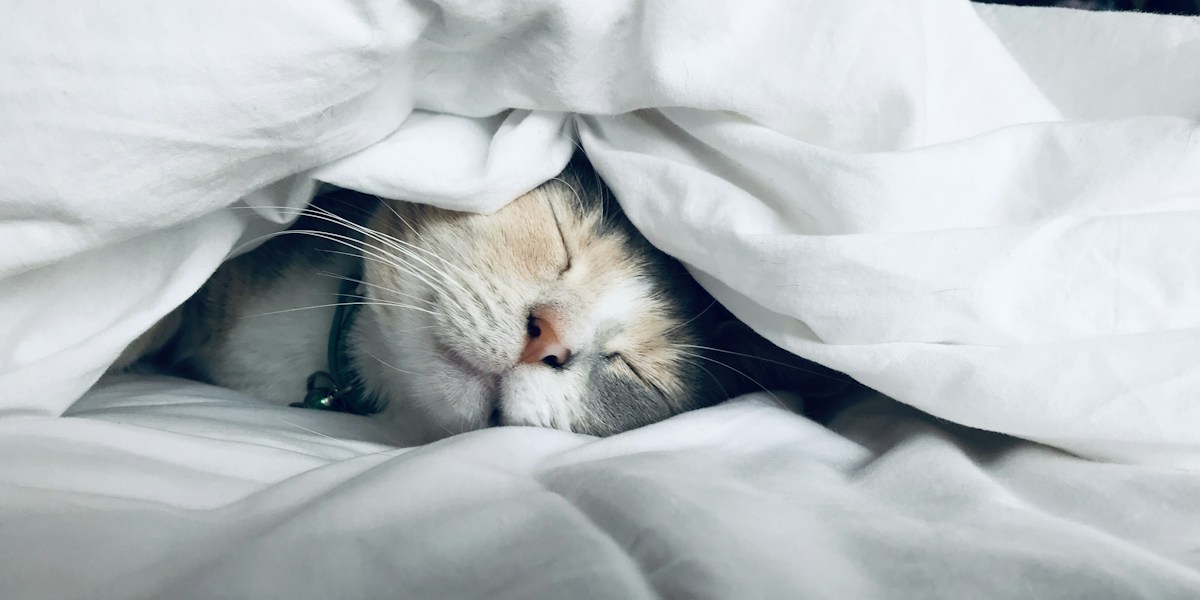
Sleep is not a luxury or an indulgence. It is a biological necessity, as essential to your health as food, water, and air. During sleep, your body repairs tissues, consolidates memories, regulates hormones, clears metabolic waste from the brain, and restores systems depleted by waking activity. Chronic sleep deprivation—average adults need seven to nine hours nightly, yet one in three Americans gets less than seven—increases risk of heart disease, obesity, diabetes, depression, and early death.
The architecture of sleep itself matters as much as duration. Sleep progresses through stages including light sleep, deep sleep, and REM (rapid eye movement) sleep, each serving distinct functions. Deep sleep is when physical restoration occurs and growth hormone is released. REM sleep is when memory consolidation, emotional processing, and creative problem-solving happen. Waking up frequently, spending insufficient time in deep or REM sleep, or sleeping at the wrong circadian times all compromise sleep's restorative functions.
Sleep Hygiene Fundamentals
Sleep hygiene refers to the habits and environmental factors that influence sleep quality and duration. Good sleep hygiene creates conditions favorable for falling asleep quickly, staying asleep throughout the night, and waking refreshed. These practices are the foundation of healthy sleep and should be the first line of intervention for anyone struggling with sleep.
Consistency is the most important principle. Your body maintains a circadian rhythm—a roughly 24-hour internal clock that regulates sleep-wake cycles, hormone release, body temperature, and countless other biological processes. This clock is reset daily by light exposure and anchored by consistent sleep and wake times. Going to bed and waking at the same time every day, including weekends, is the single most powerful sleep improvement you can make.
Creating the Right Environment
Your bedroom environment significantly impacts sleep quality. The ideal sleep environment is cool—around 65 to 68 degrees Fahrenheit—dark, and quiet. The body's core temperature naturally drops during sleep initiation and rises toward morning; a cool room facilitates this temperature regulation. Light, even from street lamps or electronics, suppresses melatonin production and delays sleep onset. Use blackout curtains, an eye mask if needed, and cover or remove LED lights from devices.
Noise can be addressed with earplugs, white noise machines, or fans. White noise works by providing a consistent acoustic environment that masks disruptive sounds. Some people prefer pink noise (a slightly deeper tone) or brown noise (even deeper), both of which some research suggests may improve deep sleep. The key is eliminating sudden noises that cause arousal from sleep.
The Light Connection
Light is the most powerful zeitgeber—time-giver—that entrains your circadian rhythm. Morning light exposure signals your body to wake up and begin producing daytime hormones like cortisol. Evening light exposure, particularly blue light from screens, suppresses melatonin and delays sleep onset. Managing light exposure strategically is one of the most effective sleep interventions.
Get bright light exposure within the first hour of waking—open the curtains, step outside, or use a bright light therapy lamp. During the day, work in well-lit spaces and get outside when possible. In the evening, dim lights and use blue light filters on devices, or better yet, stop using screens one to two hours before bed. These simple changes help align your circadian rhythm with your desired sleep schedule.
Sleep is the single most effective thing we can do to reset our brain and body health each day. No amount of caffeine, exercise, or productivity hacks can substitute for it.
Substances and Sleep
Caffeine has a half-life of approximately five to six hours, meaning half of the caffeine from your afternoon coffee is still circulating at bedtime. Even if you fall asleep, caffeine reduces deep sleep quality and increases nighttime awakenings. Most people should stop caffeine by early afternoon, and those who are caffeine-sensitive or poor sleepers may need to stop even earlier or eliminate it entirely.
Alcohol initially sedates but disrupts sleep architecture, reducing REM sleep and causing more fragmented, less restorative sleep. While alcohol may help you fall asleep faster, the sleep that follows is measurably worse. If you drink alcohol, stop at least three hours before bed and keep consumption moderate. Nicotine is also a stimulant that disrupts sleep; smokers often experience nicotine withdrawal overnight that causes sleep disturbances.
Wind-Down Routines
Creating a consistent pre-sleep routine signals to your body that sleep is coming. This might include dimming lights, taking a warm bath or shower (the subsequent drop in body temperature facilitates sleep onset), gentle stretching or yoga, reading a physical book, journaling, or practicing relaxation techniques. The specific activities matter less than doing them consistently each evening.
Avoid work, emotionally difficult conversations, or stimulating entertainment in the hour before bed. These activities activate the stress response and arousal systems that are the opposite of what you need for sleep. Your wind-down routine should be calming and relatively low-stimulation—your brain needs time to transition from daytime alertness to nighttime sleep readiness.
When Sleep Problems Persist
If you consistently struggle to fall asleep, wake frequently during the night, wake too early and can't return to sleep, or feel unrefreshed despite adequate sleep duration, you may have a sleep disorder. Insomnia disorder, sleep apnea, restless legs syndrome, and circadian rhythm disorders all interfere with healthy sleep and benefit from professional diagnosis and treatment.
Cognitive behavioral therapy for insomnia (CBT-I) is the first-line treatment for chronic insomnia and is more effective long-term than sleep medication. It addresses the thoughts and behaviors that perpetuate insomnia, teaching skills to restore healthy sleep patterns. If you suspect sleep apnea—especially if you snore loudly, gasp during sleep, or wake with morning headaches—prompt medical evaluation is important because untreated sleep apnea increases cardiovascular risk significantly.